CCDS · Code For Cause
Residential data science camps for students from social and tribal welfare institutions. 2019 – present.
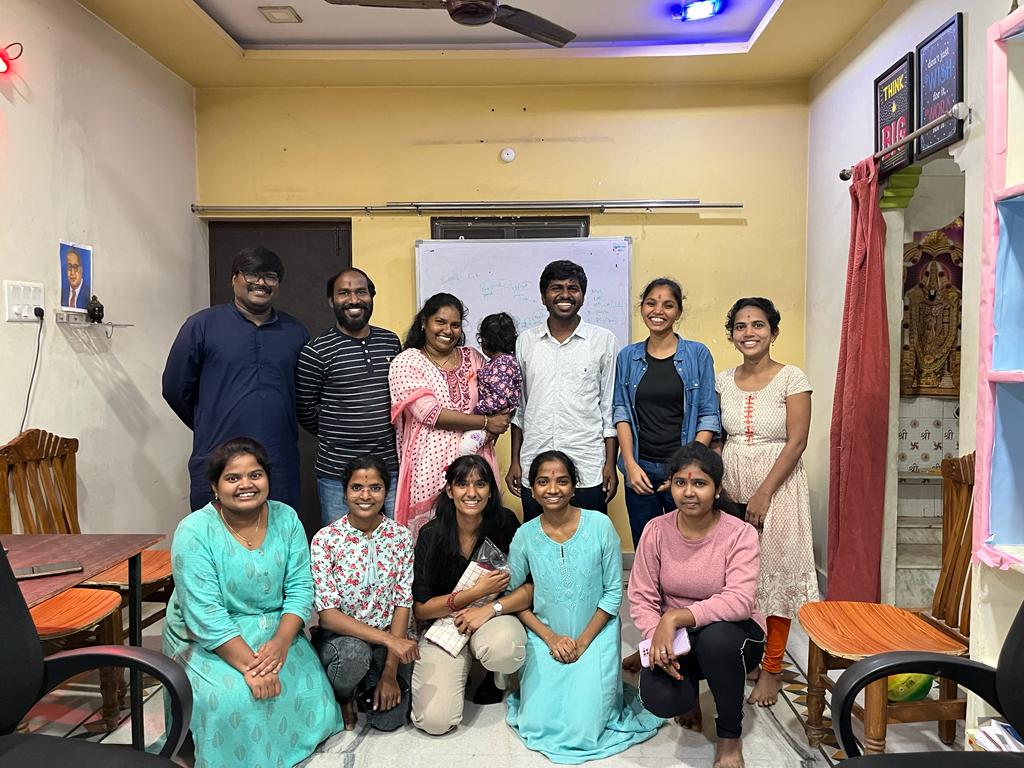
The Certification Course for Data Science, known inside the community as Code For Cause, gives students from underprivileged and under-represented communities the skills to take part in the computing economy instead of watching it from outside.
How it started
CCDS began in 2019, when the Secretary of the Social Welfare department and Sathish Thipparapu, a teacher and IT professional, set out to improve employment outcomes for Social Welfare degree college graduates. The first three-month camp trained 75 students and placed 45 of them. Since then the camps have expanded to Tribal Welfare and other institutions and placed about 2,000 students into the IT sector.
Why it works
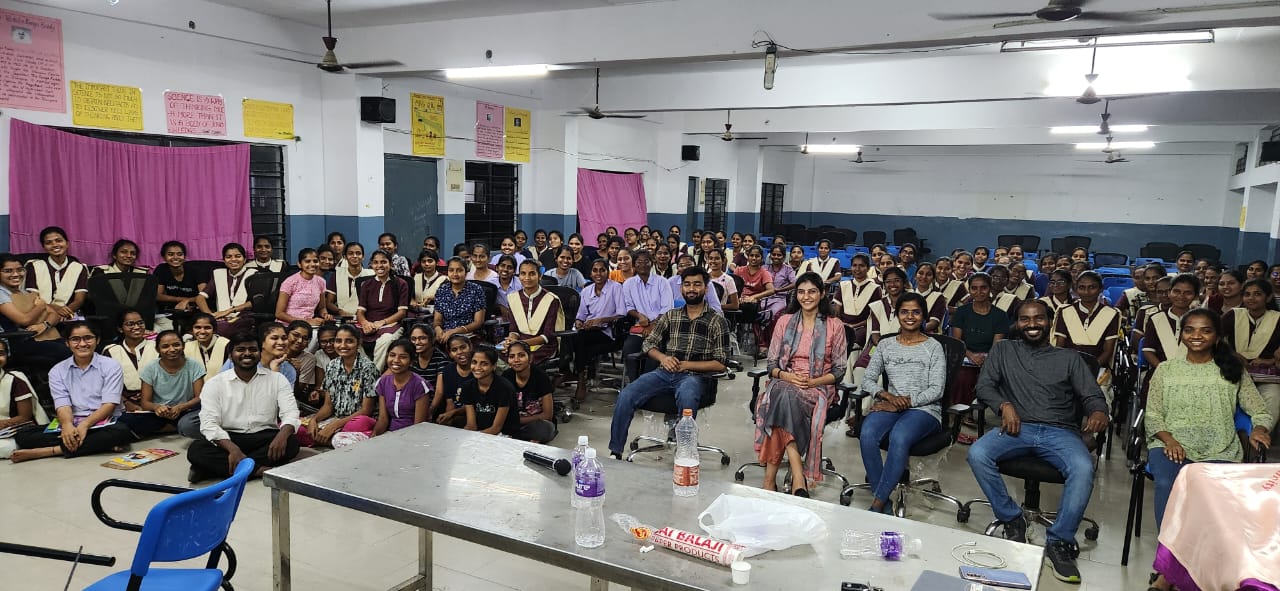
The camps are residential and taught in the regional language, with laptops available around the clock. Students are selected through a screening test that looks for aptitude rather than polish, and men and women attend separate camps. Every trainer either works in the IT sector or once did, and most of them came through these same camps. Students learn from people with their own background who have already made the journey.
The curriculum is built on learning by doing. Students start with Excel shortcuts to get comfortable with the keyboard, then move to SQL and then Python. Every concept is taught on datasets they already understand, rather than textbook examples from somewhere else. Joins are introduced as the same idea as VLOOKUP, so each new tool builds on something they already know. Each day ends with recognition for the best performers, which keeps the energy high through three demanding months.
My part
I am an alumnus of the Social Welfare residential schools that CCDS serves, and I volunteer with the initiative. In May 2024 I co-presented “Learning lessons from Data Science Camps” with Sathish Thipparapu, Rani Guntikadi and Sowkya Bandi. The talk set out the camp model, curriculum and outcomes so that other organisations could adapt it. Read my write-up of the talk →